

 See My Latest Article on HelloNation
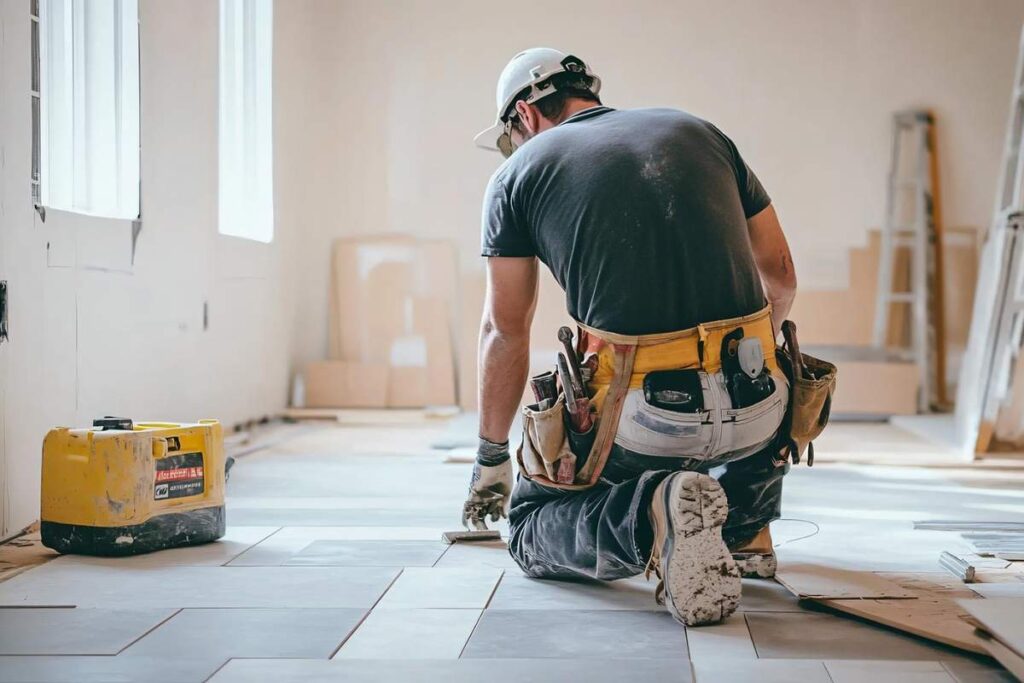
Commercial flooring must withstand more than ordinary foot traffic. The right choice depends on how a space is used, how often it is cleaned, what materials may be tracked indoors, and how much disruption the property can tolerate during repairs or replacement.
For properties in Indianapolis, seasonal changes also matter. Moisture, salt, grit, temperature swings, and heavy winter footwear can place additional stress on entrances and frequently used corridors. Durable flooring is not simply the hardest material available; it is the material that performs reliably under the conditions of a particular building.
What should be evaluated before choosing commercial flooring?
The best starting point is the building’s daily use. A flooring material that performs well in an office may be unsuitable for a busy retail space, medical facility, warehouse, or multi-tenant building.
Consider these factors:
- Traffic volume: Estimate how many people walk across the floor each day and identify areas where traffic is concentrated.
- Type of traffic: Wheeled carts, equipment, pallet jacks, chairs, and rolling loads can damage surfaces differently than pedestrian traffic.
- Moisture exposure: Entrances, restrooms, kitchens, utility rooms, and lower-level areas may need water-resistant or moisture-tolerant materials.
- Cleaning methods: Some floors tolerate frequent scrubbing and disinfecting better than others.
- Maintenance staffing: A flooring system that requires specialized care may not be practical if routine maintenance is limited.
- Expected service life: Compare the initial cost with the frequency and cost of repairs, refinishing, or replacement.
- Downtime limits: A property that must remain open may need flooring installed in sections or repaired without lengthy closures.
A written assessment of these conditions can prevent a common mistake: selecting flooring based mainly on appearance or purchase price.
Which flooring materials are most durable for commercial properties?
Several flooring categories can provide long service when properly matched to the building.
Commercial resilient flooring is often used in offices, education facilities, healthcare settings, and public buildings. Sheet flooring can reduce the number of seams where moisture and dirt may enter. Luxury vinyl tile and plank products can offer design flexibility, but their wear layer, backing, installation method, and maintenance requirements should be reviewed carefully.
Porcelain and ceramic tile can perform well in areas exposed to moisture, heavy cleaning, or frequent pedestrian use. Porcelain generally has low water absorption and can be highly resistant to wear. However, tile is rigid, grout requires maintenance, and hard surfaces may be less comfortable for employees who stand for long periods.
Polished or sealed concrete is common in large commercial interiors, production areas, and facilities with exposed structural slabs. It can provide a durable surface with relatively few seams. Its performance depends on slab condition, surface preparation, joint treatment, and the quality of the sealer. Unprotected concrete may absorb spills, create dust, or show stains.
Commercial carpet tile can be suitable for offices and other spaces where acoustics and comfort matter. Individual tiles can often be replaced when damaged instead of removing an entire room’s flooring. Carpet is less appropriate for areas with frequent standing water, tracked salt, grease, or heavy industrial abrasion unless entrances and maintenance procedures are carefully managed.
Rubber flooring offers resilience, slip resistance, and comfort underfoot. It may be useful in fitness areas, healthcare spaces, educational buildings, and other locations where impact absorption is valuable. Rubber can require specific cleaning products and may not be the right fit for every design or budget.
The most durable option is determined by the use of the space, not by a universal ranking of materials.
How do Indianapolis weather conditions affect flooring decisions?
Seasonal moisture and winter residue deserve special attention. During cold-weather months, occupants may track in water, salt, sand, and other abrasive material. Those contaminants can scratch finishes, dull polished surfaces, damage adhesives, and increase slip risk near entrances.
A durable flooring plan should include more than the central floor material. Entry zones often need:
- Walk-off mats that capture moisture and grit
- A sufficient transition area before the main flooring begins
- Drainage or drying procedures where water regularly accumulates
- Slip-resistant surfaces in locations that may remain damp
- Cleaning schedules that increase during wet or snowy conditions
- Thresholds and transitions that do not create trip hazards
The floor near an entrance may require a different material or finish than a conference room farther inside the building. Treating the entire property as one environmental zone can lead to premature wear.
Does a higher purchase price mean better durability?
Not necessarily. A higher-priced product may offer stronger wear resistance, better moisture performance, or a longer warranty, but those advantages matter only if they match actual building conditions.
A lower-cost material may also become expensive if it requires frequent repairs or cannot tolerate the cleaning routine. Conversely, an expensive surface may be unnecessary in a lightly used office.
A useful comparison should include:
- Material and installation costs
- Subfloor preparation
- Adhesives, underlayment, transitions, and trim
- Routine cleaning and periodic maintenance
- Replacement of damaged sections
- Expected service life
- Business disruption during repairs
- Disposal and replacement costs
Life-cycle cost is more informative than the initial invoice. For example, a modular flooring system may cost more at installation but reduce future disruption because isolated damaged sections can be replaced.
What installation details affect long-term performance?
Even a strong flooring product can fail if the substrate is not ready. Concrete moisture, unevenness, cracks, contaminants, and movement can affect adhesion and appearance.
Before installation, the project should address:
- Moisture testing appropriate to the flooring system
- Surface cleaning and removal of coatings or residue
- Levelness and flatness requirements
- Cracks, joints, and structural movement
- Acclimation of materials when required
- Correct adhesive selection
- Expansion or movement provisions
- Protection during construction
Transitions deserve particular attention. Abrupt changes in height between flooring materials can create trip hazards and damage edges. In high-traffic properties, poorly secured transitions may loosen under carts and repeated impacts.
The floor system should also be compatible with doors, casework, partitions, drains, and base trim. Coordination problems are often more difficult to correct after the space is occupied.
How should maintenance influence the flooring choice?
Maintenance requirements should be understood before the material is selected. Ask what cleaners are permitted, how often the floor must be scrubbed, whether it needs periodic refinishing, and which stains or chemicals may cause permanent damage.
Common maintenance mistakes include:
- Using abrasive pads on a finish not designed for them
- Applying disinfectants or degreasers that damage the surface
- Allowing grit to remain in high-traffic areas
- Delaying spill cleanup
- Using excessive water around seams or edges
- Ignoring worn mats and damaged transitions
A simple written maintenance plan can extend service life. It should identify approved cleaning products, equipment settings, inspection intervals, spill procedures, and the person responsible for each task.
What durability claims should be questioned?
Terms such as “heavy duty,” “commercial grade,” and “industrial strength” are not complete performance specifications. Ask for measurable information instead.
Useful questions include:
- What traffic level is the product designed for?
- How does it perform under rolling loads?
- Is it suitable for wet or chemically exposed areas?
- What subfloor conditions are required?
- How are wear, staining, and color change addressed?
- Does the warranty exclude moisture, excessive rolling loads, or improper maintenance?
- Can damaged sections be repaired without replacing the entire floor?
A flooring decision is stronger when it is based on documented performance, installation requirements, and maintenance procedures rather than advertising language.
When is professional review necessary?
Specialized review is justified when the project involves moisture-sensitive materials, hazardous substances, structural movement, healthcare requirements, food preparation, industrial chemicals, or accessibility and life-safety concerns. These conditions can affect material selection and installation methods beyond ordinary finish work.
For typical commercial interiors, property managers can still improve decision-making by documenting traffic patterns, moisture exposure, cleaning practices, maintenance capacity, and expected service life before comparing flooring systems. That information creates a practical basis for choosing a surface that remains safe, maintainable, and serviceable over time.