

 See My Latest Article on HelloNation
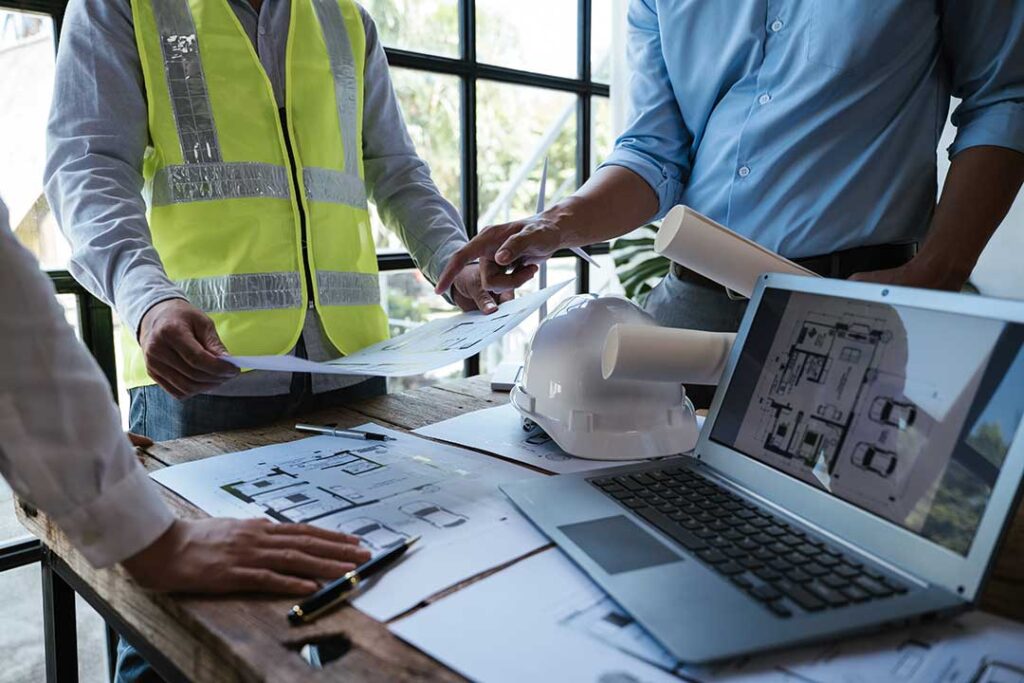
What Sets Commercial and Residential Construction Apart?
Commercial and residential construction projects differ significantly in purpose, scale, requirements, and approach. In Indianapolis, IN, these differences matter because they shape everything from building codes to daily construction activities. Whether adding onto a home or planning a new office, understanding these contrasts can help residents make informed decisions and set realistic expectations for any type of build.
How Are Commercial Buildings Used Compared to Residential Ones?
Commercial construction involves structures intended for business activities—think offices, schools, hospitals, retail spaces, and warehouses. Residential construction is homes and living spaces, including single-family houses, townhomes, and apartment complexes.
A few clear distinctions:
- Commercial buildings in the city are often designed for high occupant loads, public access, and specialized systems for business needs.
- Homes and apartments prioritize comfort, privacy, and family routines over business or public use.
This means that the needs of a grocery store in a busy neighborhood are very different from a duplex or a suburban home in Indianapolis.
What Regulations and Permits Apply?
Building codes in Indianapolis are strict for both types, but they diverge in details and intent.
- Commercial projects must meet more comprehensive regulations, including fire safety, accessibility (such as ADA compliance), elevator standards, and energy use.
- Residential construction focuses on ensuring the safety and comfort of occupants, often with simpler code requirements.
The office overseeing construction permits applies separate processes depending on the type of build. For large-scale commercial work, expect more review phases and documentation—especially for projects impacting infrastructure or public spaces.
Are Construction Methods and Materials Different?
Methods and materials used in commercial projects are generally heavier-duty and more specialized than those in residential construction.
- Commercial buildings in Indianapolis may use steel framing, reinforced concrete, and complex HVAC systems. This supports higher traffic and larger spaces.
- Home construction usually relies on wood framing and residential-grade wiring and plumbing, sufficient for smaller loads and fewer occupants.
These differences lead to longer schedules and greater complexity for commercial projects, even when the exterior might look simple.
What Are the Unique Challenges for Each Type in Indianapolis?
Each approach brings its own set of hurdles, influenced by climate, city layout, and local regulations.
- Winter weather can slow down both commercial and residential projects, but larger commercial builds often include provisions for continuing work year-round or managing snow and ice around job sites.
- Commercial worksites in busy parts of the city must coordinate delivery schedules to avoid peak traffic and ensure public safety, while residential projects in quieter neighborhoods must work around local noise ordinances and property access for households.
Different neighborhoods in Indianapolis may also have zoning rules restricting certain types of buildings or designs, especially for larger or mixed-use projects.
How Do Project Teams and Timelines Compare?
Commercial projects require larger, more specialized teams. Architects, engineers, safety inspectors, and often many subcontractors are involved. These crews handle everything from site preparation to fire suppression systems.
- Timelines for commercial sites can stretch months to years, especially when coordination with public utilities or roadways is needed.
- Residential builds typically have quicker turnarounds, with fewer parties involved and less need for heavy coordination.
For local residents, understanding this difference can manage expectations if new construction is happening nearby—commercial projects can mean sustained activity in an area over a longer time.
Is Maintenance Different After Construction?
Maintenance expectations reflect initial building goals.
- Commercial buildings often require scheduled professional inspections, especially on elevators, fire systems, and HVAC, driven by safety rules and business regulations within Indianapolis.
- Residential buildings rely more on owners for upkeep, though multi-unit buildings may lean on property management companies for common area concerns.
Regular maintenance affects property values, insurance costs, and the long-term safety of both property types.
What Local Conditions Influence Construction Choices?
Indianapolis experiences wide temperature swings, wind, and the occasional severe weather event. These local patterns affect construction decisions:
- Commercial structures may be designed with storm resilience, redundant power systems, or features to handle large gatherings safely.
- Residential buildings generally focus on insulation, moisture control, and energy efficiency relevant to Midwest winters and humid summers.
Zoning rules across the city can also determine allowable building heights, setbacks from roads, and parking requirements, which differ between housing and business uses.
Are Costs and Risks Higher for Commercial Construction?
Generally, commercial projects cost more and carry greater risk, due to scale, code compliance, and liability factors.
- Insurance costs are higher for commercial builds, given the number of workers involved and potential consequences of problems.
- Permits, inspections, and contingency planning become more extensive, especially for projects that serve the public or have environmental impacts.
Individual property owners may find residential construction easier to navigate, while business projects benefit from detailed planning involving experts in law, safety, and design.
Common Questions from Local Residents
*Why does commercial construction near my home take so long?*
These projects often require more permits, inspections, and careful staging to avoid traffic or safety issues for the community.
*Can a home be built to commercial standards?*
Technically yes, but it’s uncommon due to cost and code requirements that exceed most families’ needs.
*Are there mixed-use projects in Indianapolis?*
Yes, and these combine commercial and residential approaches, blending code compliance and amenities from both types.