

 See My Latest Article on HelloNation
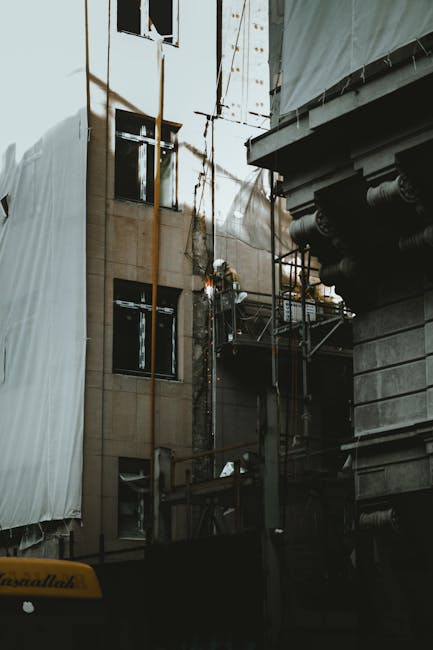
Renovating or remodeling commercial buildings can breathe new life into old structures, keep businesses competitive, and provide modern, comfortable environments for employees and clients. In a bustling Midwest city like Indianapolis, where tradition and innovation intersect daily, upgrading commercial spaces often feels like the norm. Whether it’s a retail storefront in Broad Ripple or an office in downtown Indy, keeping up with changing demands is a major part of the business landscape. However, even seasoned property owners and investors occasionally fall into common traps during renovations—mistakes that can cost time, money, and even business reputation.
If you’re considering a commercial renovation project in Indianapolis, understanding the most frequent missteps can keep your project on track, on budget, and up to code.
Underestimating the Scope and Budget
- It’s easy to be optimistic about timelines and budgets—especially in a city known for its “Hoosier hospitality,” where things often seem easier with a handshake. But even minor commercial building renovations can reveal hidden issues, such as outdated electrical systems in historic Mass Ave properties or unanticipated plumbing challenges along Meridian.
- Failing to anticipate these bumps can lead to blown budgets and delays.
- Always build in a healthy contingency (at least 10-20%) and insist on a detailed assessment at the project’s start. In Indianapolis, where seasons can shift quickly, even weather delays should be considered.
Ignoring Local Code and Zoning Requirements
- Indianapolis has unique building codes and stringent permitting processes that are strictly enforced—especially in historic areas or rapidly developing neighborhoods like Fletcher Place.
- Skipping steps or trying to “fast track” inspections can result in expensive legal troubles or forced do-overs.
- Make sure your contractor is familiar with Marion County, Indiana codes and works closely with the Department of Metropolitan Development.
Poor Planning for Accessibility and Future Needs
- The commercial real estate market in Indy is diverse, and many buildings weren’t originally designed to meet modern accessibility requirements.
- Overlooking ADA (Americans with Disabilities Act) upgrades can mean not just exclusion of potential customers, but also failed inspections and penalties.
- Think long-term; while your business may thrive today, flexible space planning allows for future growth, technology upgrades, and changing workforce needs unique to Indianapolis’ evolving economy.
Choosing the Wrong Contractor
- With the abundant number of contractors in central Indiana, picking the lowest bidder isn’t always the best decision.
- Look for firms with strong local references, verifiable licenses, and extensive experience with similar commercial renovation projects in Indianapolis.
- Ask to see project portfolios and speak directly with past commercial clients—especially those operating in sectors like healthcare, hospitality, or retail, where code compliance is key.
Overlooking Sustainability and Energy Efficiency
- Indy’s climate—with hot summers and freezing winters—makes energy costs a significant operational concern.
- Older buildings in neighborhoods such as Fountain Square are notorious for poor insulation. Overlooking upgrades like double-paned windows, LED lighting, or high-efficiency HVAC can lead to soaring utility bills and an uncomfortably hot or cold workspace.
- Renovations that prioritize green technologies or LEED certification can yield long-term savings and attract eco-minded Indy clientele.
Not Communicating with Tenants or Neighbors
- Indianapolis is a city built on community, and many renovated office or retail spaces share walls or parking lots with other businesses.
- Failing to keep tenants or neighboring businesses informed about noisy or disruptive construction can damage relationships and impact foot traffic, especially in mixed-use buildings common across Carmel and downtown Indy.
- Create a clear timeline and update stakeholders regularly about progress, potential disruptions, and completion dates.
Skipping Pre-Construction Assessments
- Pre-construction assessments—like checking for asbestos in older factories or surveying for structural weaknesses in aging warehouses—are not optional.
- Indianapolis has buildings ranging from the early 20th century to modern green-certified constructions. Hidden hazards can add unplanned costs and serious liability if not addressed from the start.
- Always perform environmental and structural assessments before finalizing plans.
Neglecting Design Details That Enhance Brand and Appeal
- Local businesses know Indy's unique style—from sports bars near Lucas Oil Stadium to trendy co-working spaces in the Bottleworks District.
- Skimping on thoughtful design can leave you with generic, uninspiring spaces that fail to attract or retain tenants and customers.
- Embrace the local flavor: Use materials, artwork, and layouts that reflect Indianapolis’s culture and your commercial brand.
Conclusion
Commercial building renovations in Indianapolis present exciting opportunities—but also unique risks if you miss key steps. The Circle City thrives on a blend of tradition and forward-thinking, making it vital for business owners and property managers to approach renovations with careful planning and a strong understanding of local requirements. By staying aware of these common mistakes—underestimating budgets, skipping code checks, ignoring energy efficiency, and more—you’ll be well on your way to creating spaces that support business growth, community connection, and long-lasting value.
For building owners in Indianapolis, proactive planning and collaboration with experienced local professionals are the keys to success. Remember, every step you take to avoid these pitfalls is an investment not just in your building, but in your business’s future within this vibrant, dynamic city.