

 See My Latest Article on HelloNation
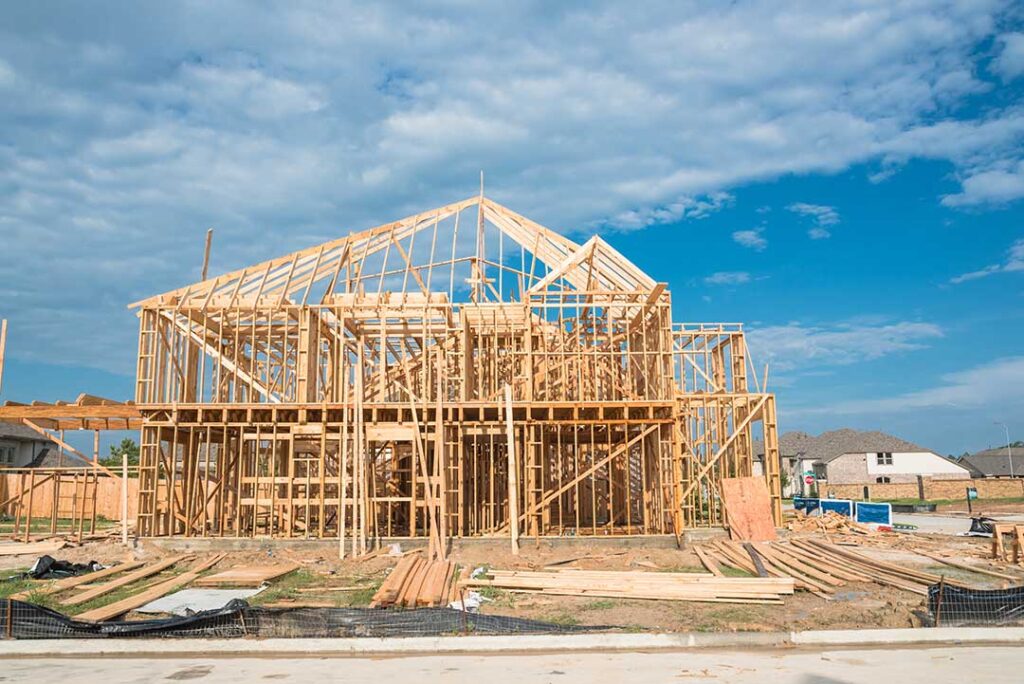
How Does Building Orientation Affect Commercial Projects in Indianapolis, IN?
Building orientation plays a crucial role in the long-term performance, comfort, and sustainability of commercial buildings in Indianapolis, IN. By carefully considering how a structure is positioned on its site, project teams can maximize energy efficiency, support occupant well-being, and better navigate local climate challenges.
Decisions about orientation are shaped by factors unique to the city, including seasonal weather patterns, sunlight angles, prevailing winds, and neighborhood density. These details influence everything from heating and cooling needs to glare control and snow management.
What Are the Major Benefits of Thoughtful Building Orientation?
The way a commercial building is positioned determines how much sunlight enters interior spaces, how winds are managed, and how outdoor areas are used. Smart orientation offers several practical benefits:
- Energy Savings: Maximizing winter sun while minimizing summer heat gain can reduce heating and cooling costs.
- Occupant Comfort: Natural daylight improves the indoor environment and can support productivity and well-being.
- Site Utilization: Orientation influences parking layouts, delivery access, landscaping, and snow removal efficiency.
- Environmental Impact: Better orientation can cut down on artificial lighting and HVAC needs.
In Indianapolis, these advantages often mean lower utility bills, less wear on mechanical systems, and more pleasant workspaces, particularly in buildings used year-round.
How Do Sunlight and Seasons Shape Orientation Decisions?
Sun exposure is a primary consideration since Indianapolis experiences hot summers and cold, sometimes snowy winters. During building design, the angle and duration of sunlight at different times of year are mapped out to find the best alignment.
- South-facing windows capture maximum sunlight in winter, helping reduce heating demands on cold days.
- East and west orientation exposes interiors to strong, low-angle morning or afternoon sun, which can lead to glare or unwanted heat in summer.
- North-facing windows offer more consistent, diffuse light—ideal for workspaces sensitive to glare.
Overlooking these patterns can lead to uncomfortable, inefficient environments—such as offices that overheat in summer or remain dim in winter.
How Can Wind Patterns Influence Building Performance?
Prevailing winds in Indianapolis tend to come from the southwest, but exposures can vary based on surrounding developments and infrastructure. Orientation can be used to:
- Shield main entrances from icy winter winds
- Encourage natural ventilation in the spring and fall
- Reduce wind load on large wall surfaces or canopies
For properties near open fields or large parking lots, wind tunneling may be a greater concern than for denser, sheltered sites. Adjusting orientation helps minimize drafts and heating loss, particularly in exposed corridors and lobbies.
What Role Does Site Shape, Access, and Surroundings Play?
The configuration and constraints of a site often dictate what’s possible. For example, a narrow lot or an oddly shaped parcel may limit how a building can be turned, while neighborhood plans or zoning codes may require specific setbacks or sightlines.
Practical questions local teams address include:
- Does orientation allow for safe traffic flow to and from busy roads?
- Are there existing trees or buildings that provide shade or wind breaks?
- Will snow drifting from certain sides interfere with walkways or equipment?
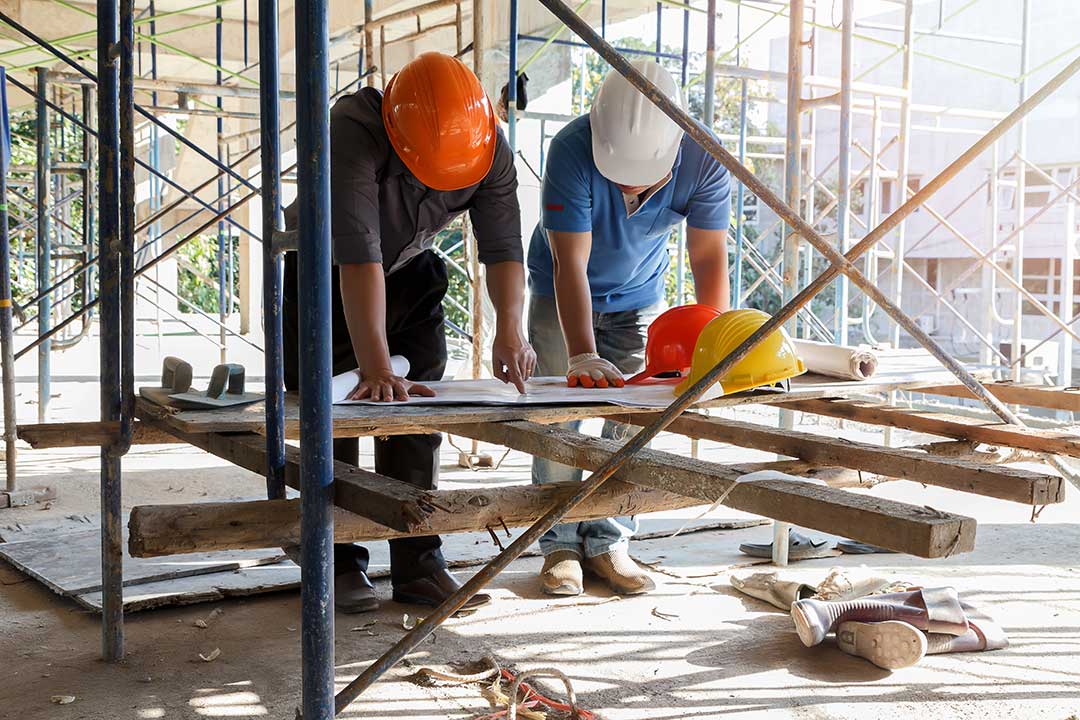
Factoring in bus routes, delivery vehicle patterns, pedestrian zones, and landscaping is essential for both safety and accessibility.
Are There Local Myths or Misconceptions About Building Orientation?
A common misconception is that orientation concerns are minor compared to building materials or mechanical systems. In reality, orientation decisions made early in the process can either enhance or limit the effectiveness of efficient lighting, HVAC, or insulation upgrades.
Another myth is that “solar orientation” only matters for solar panel installation. While rooftop solar does benefit from ideal orientation, daylighting and glare issues can be equally important in a region with dramatic seasonal variation like Indianapolis.
What Happens if Orientation Is Not Properly Considered?
Poor orientation can create real challenges, including:
- Overheating of office spaces even with modern HVAC
- Increased power use for lighting in dimly lit rooms
- Problems with ice formation or snow piling near entrances
- Inconvenient outdoor spaces that see little use by tenants
Such issues can cost building owners more over time—both in higher bills and in lost tenant satisfaction.
How Do Local Codes and Sustainability Goals Affect Decisions?
Indianapolis building codes encourage certain energy performance benchmarks. City and state regulations often reference daylighting standards and require certain setback distances for safety, which relate back to orientation choices.
Green building guidelines and sustainability certifications also incentivize orienting buildings to make best use of natural light, reduce fossil fuel use, and create healthy interiors, aligning long-term owner goals with upfront design decisions.
What’s the Best Time to Make Orientation Decisions?
Orientation is most effective when addressed early—before finalizing floor plans or breaking ground. Once utilities, structural grids, or major access roads are set, options become more limited. Early coordination with architects and civil engineers ensures all site and climatic factors are considered from the start.
Neighborhood context, shared infrastructure, and tree cover are all easier to address during the first phases of project planning.
Key Takeaways for Indianapolis Residents and Stakeholders
Building orientation is not just a technical concern for architects or engineers—it’s a community issue affecting energy use, comfort, and the way people interact with commercial spaces. In the local climate, these considerations translate to more resilient, efficient, and enjoyable places to work and visit.