

 See My Latest Article on HelloNation
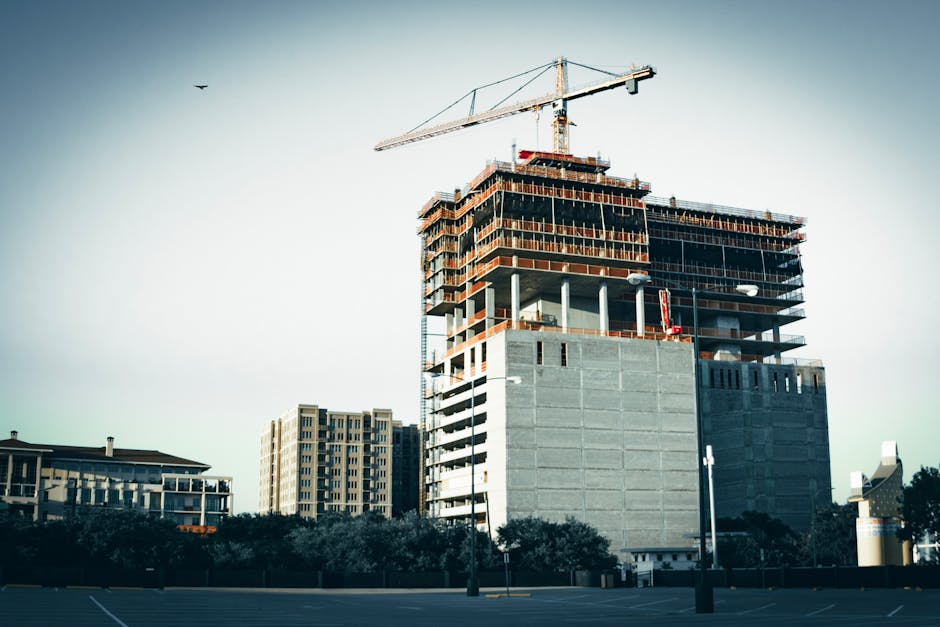
When considering a new commercial construction project in Indianapolis, knowing what to expect can ease anxieties, streamline planning, and help ensure a positive outcome. Whether you’re preparing to open a new restaurant on Mass Ave, planning a medical office near Fishers, or revitalizing an old retail building in the heart of downtown, the construction process is multifaceted. Here’s a comprehensive guide tailored to the Indianapolis area showing what clients can expect from start to finish.
Understanding the Indianapolis Construction Landscape
Indianapolis boasts a blend of historic character and modern development, with construction designed to enhance both business operations and community lifestyle. Known for its efficient infrastructure and booming commercial districts, Indy presents a unique set of opportunities and regulations for commercial construction.
1. Initial Consultation and Pre-Construction Planning
- The process typically begins with an initial meeting between you and your chosen contractor or construction management team.
- In Indianapolis, local considerations might include proximity to city thoroughfares like I-465, zoning codes unique to Marion County, and weather patterns that could impact scheduling.
- Key activities at this stage:
- Needs assessment and project scope definition
- Budgeting and preliminary feasibility studies
- Early discussions around permits, especially as the City of Indianapolis has streamlined online permit applications at the Department of Business and Neighborhood Services.
2. Design and Development Phase
- Once you’ve settled on a construction partner, architectural and engineering teams work to create a cohesive set of designs.
- Design meetings accommodate not only your vision but also necessary compliance with Indiana building codes and city ordinances.
- For businesses wanting to blend with Indy’s local culture, now’s the time to incorporate touches that reflect the Circle City’s traditions—such as nods to the Indy 500, or murals reflecting local artistry.
3. Permitting and City Reviews
- Before breaking ground, all plans must be submitted for the proper permits—this is a critical step in Indy, where regulations can sometimes affect timelines.
- Expect plan review and feedback from city officials. Working with a contractor experienced in navigating the Indianapolis permit landscape will help avoid unnecessary delays.
4. Pre-Construction Logistics
- Contractors in Indianapolis often coordinate with utility providers, especially for projects near the busy downtown grid.
- Site preparation includes fencing, signage, and safety protocols, in accordance with local standards and OSHA requirements.
- Neighbors and nearby businesses are notified—this is especially courteous in mixed-use developments or revitalization zones found in areas like Broad Ripple or Irvington.
5. Breaking Ground: The Construction Phase
Construction activities in Indianapolis respect both the weather and the city’s busy events calendar. Expect the following sequence:
- Site work and foundation pouring—timed to avoid peak rainy seasons typical in central Indiana.
- Structural framing, exterior sheathing, roofing, and window installation.
- Mechanical, electrical, and plumbing rough-ins—often scheduled to minimize disruption to neighboring businesses.
- Interior work, custom finishes, and specialty items. Many Indianapolis projects incorporate regionally-sourced finishes as a nod to the city’s manufacturing heritage.
Project managers will frequently communicate with ownership, providing updates, photos, and schedules. In tight-knit business districts, it’s common for project leads to engage with the surrounding community to address questions or concerns.
6. Inspections and Quality Control
Throughout the build, city and county inspectors will conduct mandatory checks for code compliance and safety:
- Framing, MEP (mechanical/electrical/plumbing), fire safety, and final occupancy.
- A good contractor will schedule inspections in line with the city’s workflow, minimizing wait times.
- Any required adjustments are made promptly, which is essential in the competitive Indianapolis market where delays can equal lost revenue.
7. Project Closeout and Handover
As construction wraps up:
- Final cleaning and punch lists are completed—these often include walkthroughs with the ownership team to ensure every detail is addressed.
- Documentation is handed over, including manuals, warranties, and city inspection records.
- The contractor assists with securing final occupancy permits, allowing your business to open without delay.
- In Indianapolis, grand openings often coincide with local events or festivals, maximizing community engagement and business buzz.
8. Post-Construction Support
A reputable contractor will provide post-construction services, which is invaluable for new business owners in Indianapolis:
- Warranty follow-ups and scheduled maintenance discussions.
- Some firms offer ongoing property management resources or facilities consulting.
- Close relationships between local contractors and Indy-based business networks can aid in connecting you to ongoing support or tenant fit-out teams.
Tips for a Smooth Commercial Construction Experience in Indianapolis
- Choose a contractor with proven local experience—Indianapolis has unique permitting and zoning scenarios, especially near historic neighborhoods.
- Plan for seasonal weather delays and city-specific events (Indy 500, the State Fair) which could impact schedules.
- Stay engaged in weekly project updates and encourage open lines of communication.
Conclusion
Commercial construction in Indianapolis can be a smooth, rewarding experience with the right preparation and team in place. By understanding each phase—planning, design, permitting, construction, inspection, and handover—you set your project up for success while contributing to the vibrant Indianapolis business community. Whether revitalizing a classic Broad Ripple storefront or launching a new downtown flagship, a disciplined, well-communicated construction process is your best investment.