

 See My Latest Article on HelloNation
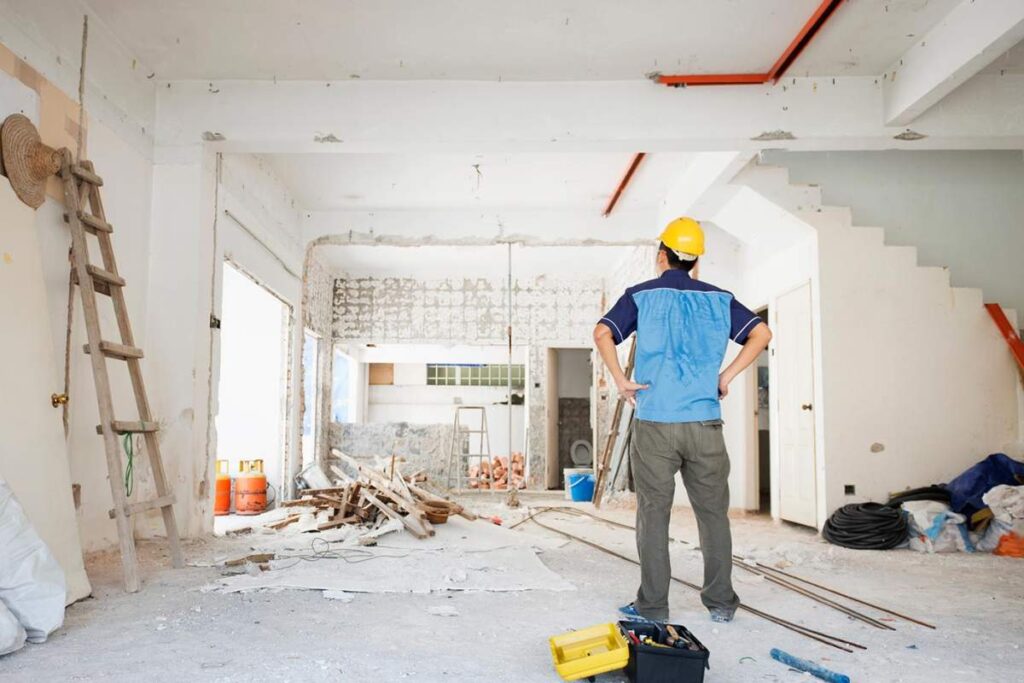
Commercial construction affects more than the buildings being added or renovated. It can influence employment, traffic, stormwater, public services, neighborhood character, and the long-term usefulness of land. For residents, the effects may be temporary, such as noise and detours, or lasting, such as new workplaces, improved infrastructure, and changes in how a neighborhood functions.
What counts as commercial construction?
Commercial construction includes the development, renovation, expansion, or demolition of buildings used for business, public, institutional, industrial, or mixed-use purposes. Examples include:
- Office buildings and employment centers
- Medical and educational facilities
- Warehouses and manufacturing buildings
- Hotels, restaurants, and retail buildings
- Parking structures and transportation-related facilities
- Interior renovations that change how an existing commercial space is used
The work may involve new foundations, utility connections, road access, drainage improvements, structural changes, or upgrades to heating, cooling, electrical, and life-safety systems.
Because these projects often occupy larger sites than individual homes, they can affect nearby streets, drainage patterns, public utilities, and surrounding land uses.
How does commercial construction affect local jobs and the economy?
Commercial construction creates direct employment during planning and building, while also supporting suppliers, equipment operators, inspectors, designers, transportation workers, and maintenance personnel. Once a project opens, it may provide additional long-term jobs depending on the building’s use.
The economic effects can extend beyond payroll. Construction purchases materials, fuel, equipment, and specialized services. Workers and businesses may spend part of that income in the surrounding community. New commercial activity can also increase demand for nearby transportation, maintenance, security, cleaning, and property services.
However, economic benefits are not automatic. A project may produce strong employment while offering limited advantages to nearby residents if jobs are difficult to access, construction work is short-term, or the development does not fit local needs. The quality and distribution of economic benefits matter as much as the total investment.
Can new development affect property taxes and public services?
Yes. New commercial buildings may add value to the local tax base, helping support public services and infrastructure. The effect depends on the project’s assessed value, applicable tax arrangements, public incentives, and the costs of serving the new development.
A larger building may require additional demands on:
- Roads and traffic management
- Fire protection and emergency response
- Water and wastewater systems
- Stormwater facilities
- Street lighting and public maintenance
- Code enforcement and inspections
A project that generates additional revenue but requires substantial public improvements may produce a more complicated financial result than a simple “new building equals more revenue” calculation suggests. Responsible planning compares expected public costs with long-term community benefits.
Why does construction cause traffic, noise, and access problems?
Construction temporarily changes how streets, sidewalks, driveways, and parking areas function. Large equipment may need space to enter and leave a site, while utility work can require lane closures or excavation in the public right of way.
Residents may notice:
- Truck traffic and temporary congestion
- Lane shifts, sidewalk closures, or detours
- Noise from excavation, grading, concrete placement, and demolition
- Dust, mud, vibration, or nighttime lighting
- Reduced access to nearby businesses, homes, or transit stops
In Indianapolis, seasonal conditions can make these disruptions more noticeable. Freeze-thaw cycles may affect pavement and excavation, while spring and summer storms can create muddy conditions or increase the risk of runoff from disturbed soil.
Traffic plans, posted detours, covered loads, dust controls, work-hour limits, and regular site cleanup can reduce the burden. Even with these measures, some disruption is unavoidable during major construction.
How can commercial construction affect drainage and flooding?
Development can change how water moves across a site. Parking lots, roofs, and paved driveways prevent rain from soaking into the ground, increasing the amount of runoff that must be managed during storms.
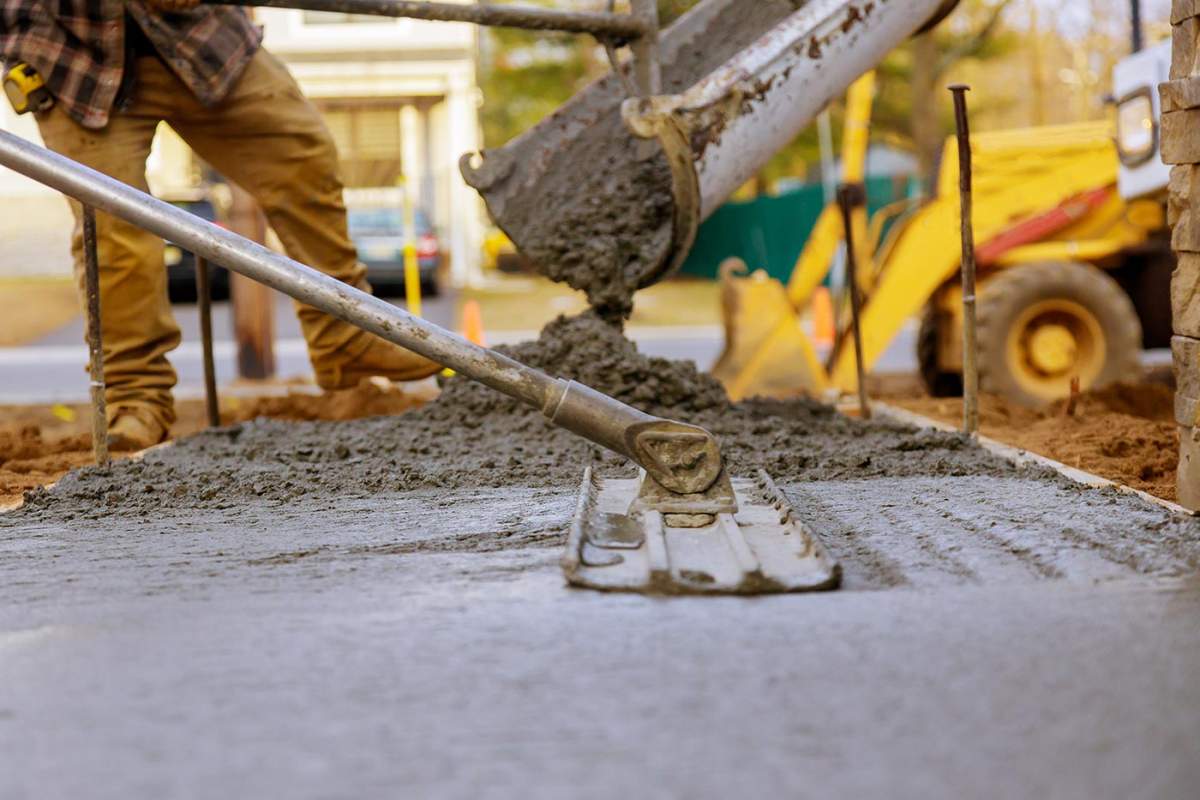
Poorly controlled construction runoff may carry soil into storm drains, ditches, and nearby waterways. Sediment can reduce drainage capacity and create maintenance problems. Finished developments can also place additional pressure on local drainage systems if stormwater controls are undersized, poorly maintained, or disconnected from broader watershed conditions.
Effective site planning typically includes erosion control, stabilized entrances, temporary drainage measures, detention or retention features, grading plans, and permanent stormwater management. These systems are especially relevant in a city with intense summer thunderstorms and areas where older drainage infrastructure may already be under pressure.
Does construction change neighborhood character?
Commercial construction can strengthen a neighborhood by reusing vacant land, improving an aging building, adding needed services, or creating safer and more active streets. A well-designed project may provide better lighting, sidewalks, landscaping, accessibility, and connections between destinations.
The opposite can also occur. A building may be too large for surrounding development, increase truck activity, remove mature trees, or create blank walls and poorly designed parking areas. New construction can also raise land values and operating costs, which may place pressure on smaller businesses or lower-income households.
Community impact depends on more than appearance. Building scale, setbacks, loading areas, parking design, operating hours, lighting, landscaping, and connections to existing streets all influence how a project fits its surroundings.
What environmental effects should residents watch for?
The most visible environmental effects are often dust, noise, runoff, tree removal, and construction waste. Demolition may also create hazardous materials that require controlled removal and disposal.
Longer-term effects can include higher energy use, additional vehicle trips, loss of permeable ground, and increased heat from large paved areas. Design choices can reduce some of these impacts through efficient mechanical systems, durable materials, shaded parking, reflective surfaces, native landscaping, tree preservation, and reuse of existing buildings.
Construction waste is another overlooked issue. Concrete, steel, wood, drywall, soil, and packaging may be reused or recycled, but only when projects plan for sorting and transport. Keeping usable materials out of disposal facilities can reduce waste and sometimes lower project costs.
How are residents involved in commercial construction decisions?
Residents may encounter several stages of public review, depending on the project. These can include zoning decisions, building permits, drainage approvals, right-of-way permits, variances, redevelopment discussions, and public meetings.
The most useful questions usually concern practical effects:
- How will traffic enter and leave the site?
- Are sidewalks and accessible routes being preserved?
- Where will loading, deliveries, and waste collection occur?
- How will stormwater and construction runoff be controlled?
- What are the expected work hours?
- Will trees, historic features, or shared access routes be affected?
- What changes are proposed if the project does not perform as expected?
Permit approval does not mean every resident will experience no disruption. It means the project has been reviewed under applicable requirements. Construction conditions can still change, and residents may need to document issues such as blocked sidewalks, unsafe detours, excessive dust, or runoff leaving a site.
What makes commercial construction beneficial to a community?
The strongest projects balance private investment with public usefulness. They add needed space or services while respecting transportation capacity, drainage systems, neighborhood scale, environmental conditions, and access for people who walk, use mobility devices, drive, or rely on public transportation.
For Indianapolis residents, the most meaningful measure is not simply how much construction occurs. It is whether development improves the practical functioning of the surrounding area without shifting unreasonable costs onto nearby households. Good planning connects buildings to infrastructure, prepares for seasonal weather, protects public safety, and considers how the site will operate long after construction crews leave.