

 See My Latest Article on HelloNation
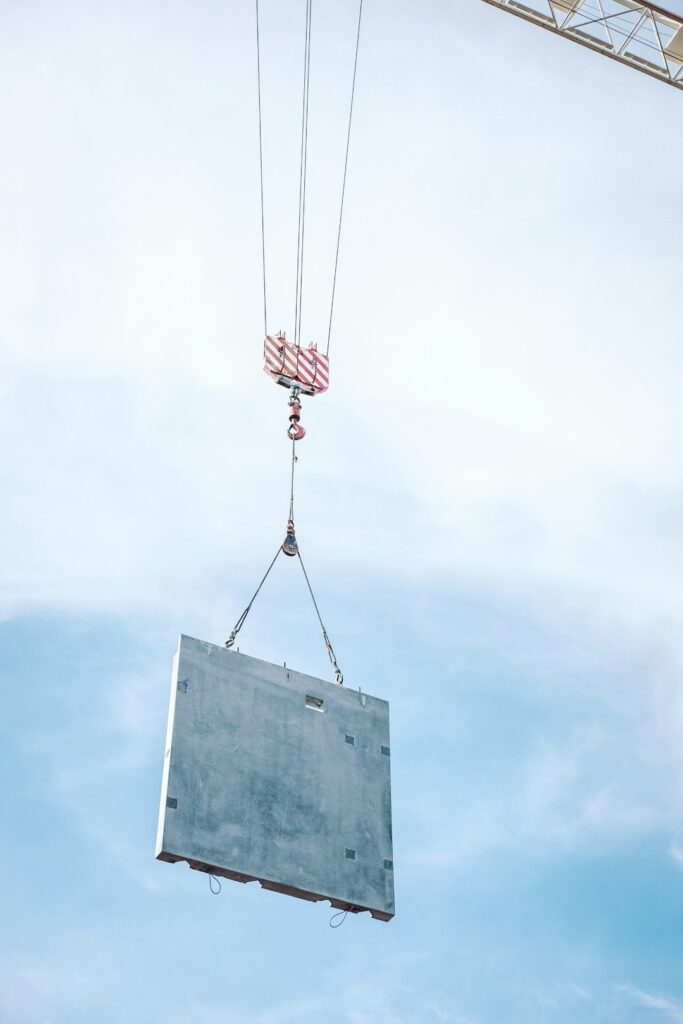
Modular construction is a commercial building method in which portions of a structure are manufactured in a controlled facility and then transported to the project site for assembly. For commercial projects, this approach can shorten schedules, improve consistency, and reduce disruption compared with completing every phase outdoors.
The method is used for offices, medical facilities, classrooms, retail spaces, workforce housing, temporary buildings, and other structures that rely on repeatable layouts or standardized components. It is not suitable for every project, but it can provide practical advantages when planning, site access, and design requirements align.
What is modular construction?
Modular construction divides a building into sections, often called modules, that are built away from the final site. Workers may complete framing, insulation, electrical work, plumbing, interior finishes, and fixtures inside the manufacturing facility. The finished or partially finished modules are then delivered and connected at the property.
There are two broad categories:
- Permanent modular construction: Modules become part of a finished building and are designed to meet applicable building requirements.
- Relocatable modular construction: Buildings are designed for movement or temporary use, such as classrooms, offices, or project facilities.
Modular buildings are not automatically temporary, low quality, or limited in appearance. Their performance depends on engineering, materials, installation, maintenance, and compliance with the same basic safety expectations applied to other commercial structures.
Can modular construction reduce the project schedule?
Yes. The main schedule advantage is that site preparation and building fabrication can happen at the same time.
While foundations, utility connections, grading, or parking areas are prepared on the property, modules can be assembled in a facility. This overlapping work may reduce the time between groundbreaking and occupancy. The actual savings vary according to design complexity, permitting, transportation, weather, and site conditions.
This benefit can be especially useful in Indianapolis, IN, where commercial construction may be affected by winter temperatures, spring rain, freeze-thaw cycles, and periods of high demand for construction labor. Indoor fabrication does not eliminate weather delays, but it can reduce the number of weather-sensitive tasks performed at the site.
A shorter schedule may also matter when a business needs to replace damaged space, add capacity quickly, or open a facility before a planned operating period.
How does factory construction affect quality?
A controlled manufacturing environment can make construction work more consistent. Materials are stored under cover, work areas are organized, and production steps can be repeated and inspected throughout the process.
Potential quality benefits include:
- More consistent measurements and assembly
- Reduced exposure of framing and interior materials to rain or snow
- Easier access to tools, equipment, and inspection stations
- Repeatable installation procedures
- Better tracking of materials and completed work
These benefits do not guarantee a defect-free building. Problems can still result from design errors, rushed production, inadequate transportation protection, poor site preparation, or improper module connections. Quality depends on coordination between design documents, the manufacturing process, transportation, and field installation.
Does modular construction cost less?
Modular construction can reduce certain costs, but it should not be described as automatically cheaper than conventional construction. The total budget depends on the building type, site conditions, transportation distance, foundation design, utility work, finishes, code requirements, and the number of modules being produced.
Possible savings may come from:
- Shorter on-site labor periods
- Less material waste
- More efficient use of repetitive production
- Lower exposure to weather-related rework
- Reduced site supervision time
- Earlier occupancy and revenue potential
Other costs may be higher. Specialized transportation, cranes, route planning, module storage, structural connections, and detailed engineering can add expense. A design that requires many unique shapes or extensive customization may also reduce the efficiency that makes modular construction attractive.
The most useful comparison is a complete project cost, including site work and operating impacts, rather than the factory portion alone.
What are the environmental benefits?
Modular construction can support waste reduction because materials are ordered and cut in a controlled production setting. Reusable forms, standardized dimensions, and organized material storage may result in fewer discarded materials than a less controlled site-built process.
The method may also reduce:
- Daily truck traffic at the property
- Noise and dust during site work
- Packaging waste
- Disturbance to neighboring properties
- Fuel use associated with repeated deliveries
Environmental performance still depends on transportation distance, energy used in the manufacturing facility, material choices, building efficiency, and the building’s long-term operation. Modular construction is not automatically sustainable, but it can make waste and resource use easier to manage.
Is modular construction durable in local weather?
A properly engineered modular building can be designed for snow, wind, temperature changes, moisture, and other regional conditions. Durability depends on the structural system, exterior cladding, roofing, drainage, insulation, air sealing, and the quality of connections between modules.
In Indianapolis, freeze-thaw conditions make water management particularly important. Roof edges, wall joints, foundations, windows, and utility penetrations must be detailed to limit water intrusion. Proper grading and drainage around the building are also essential.

A common misconception is that the modules alone determine performance. The foundation, site drainage, transportation handling, field connections, and ongoing maintenance all affect how the completed structure performs.
What challenges should project owners expect?
Modular construction changes the timing of decisions. Design choices often need to be finalized earlier because the modules may begin fabrication before the full site assembly takes place. Late changes can be more difficult or expensive once production has started.
Other challenges include:
- Limited transportation routes or delivery access
- Need for cranes and carefully planned lifting operations
- Tight tolerances at module connections
- Coordination between factory and site crews
- Local requirements for accessibility, fire protection, energy performance, and occupancy
- Restrictions caused by narrow sites, overhead utilities, or nearby structures
The property must be evaluated before selecting a modular approach. A building that works well on an open, accessible site may be difficult to deliver to a congested commercial property.
How does modular construction affect design flexibility?
Modular construction can provide more flexibility than many people expect, but it works best with a clear structural grid and repeatable dimensions. Interior layouts, finishes, exterior materials, roof forms, and mechanical systems can often be customized within the limits of the chosen system.
The method is usually most efficient for projects with:
- Repeated rooms or suites
- Standardized offices or classrooms
- Multi-unit layouts
- Consistent bathrooms or mechanical areas
- Straightforward floor plans
- Expansion needs that can be anticipated early
Highly irregular buildings, unusual structural spans, or complex one-of-a-kind interiors may be less compatible with modular production. Modular planning should be considered during the earliest design stages rather than added after a conventional design is complete.
Does modular construction require the same approvals?
Commercial modular projects still require proper design review, permits, inspections, utility coordination, and compliance with applicable building and accessibility requirements. The division between factory work and site work does not remove responsibility for safe construction.
The review process may involve both the manufactured modules and the completed building. Items such as fire separation, emergency exits, structural connections, electrical systems, plumbing, ventilation, energy performance, and accessibility must function together after installation.
Early coordination is essential because a delay in approvals, transportation planning, or utility connections can offset the schedule advantage of factory production.
When is modular construction a practical choice?
Modular construction is often worth considering when schedule certainty, repeatable layouts, limited site disruption, or controlled quality are major priorities. It may be a reasonable option for commercial owners who need additional space without a long period of on-site construction.
It may be less suitable when the property has difficult access, highly customized architecture, severe space limitations, or extensive unknown conditions underground.
The strongest projects treat modular construction as an integrated planning strategy. Site work, design, transportation, manufacturing, permitting, installation, and final inspections must be coordinated from the beginning. When those pieces align, modular construction can offer a reliable way to deliver useful commercial space with fewer weather-sensitive activities and a more predictable production process.