

 See My Latest Article on HelloNation
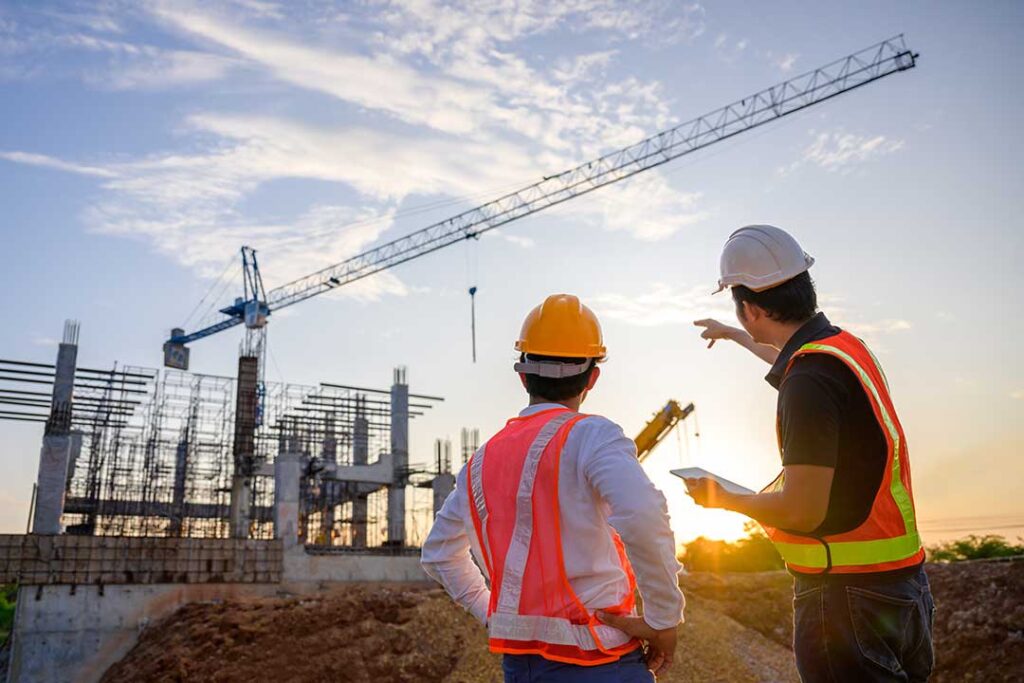
Indianapolis is booming, with new commercial spaces shaping the city’s vibrant neighborhoods and business districts. Whether you’re developing a retail space in Broad Ripple, a restaurant on Mass Ave, or a warehouse near the I-69 corridor, staying on budget during a commercial construction project is crucial for success and long-term profitability. Managing construction costs in Indianapolis can be challenging, especially with fluctuating prices for materials and a competitive labor market. Here are actionable tips tailored to help Indianapolis business owners and property managers keep their commercial construction projects on budget.
Understand the Local Market Dynamics
Indianapolis’ commercial construction market is competitive and fast-moving. Local demand for materials, labor shortages, and city permitting processes can all impact your budget. Before you break ground:
- Research current construction costs in Indianapolis.
- Speak with local contractors for recent pricing trends.
- Factor in seasonal fluctuations, as winter weather can delay schedules and increase certain costs.
By setting realistic expectations based on local insight, you can proactively address potential cost overruns before they occur.
Detailed Planning and Accurate Budgeting
The success of any construction project starts with detailed planning. Invest in thorough architectural drawings, engineering assessments, and scope definitions before sending out bids.
- Create a comprehensive project plan outlining every phase, from permitting to final inspection.
- Develop a line-item budget that includes materials, labor, permits, insurance, and a contingency fund.
- Use local resources—such as the Indiana Subcontractors Association—for budgeting insights.
Avoid the temptation to cut corners at this stage; a robust, realistic budget is your best defense against costly surprises.
Choose Experienced Indianapolis-Based Contractors
Choosing the right contractor is one of the most important decisions you’ll make. Experienced local contractors understand the nuances of Indy’s construction codes, permitting requirements, and supplier networks.
- Request references from recent Indianapolis projects.
- Evaluate financial stability—ask for their bonding capacity and insurance certifications.
- Ensure they have strong relationships with reliable subcontractors and suppliers in Central Indiana.
Working with reputable local partners can help you reduce delays and unexpected cost increases due to miscommunications or unfamiliarity with city processes.
Budget for Permits, Inspections, and Local Regulations
Permitting can be a major factor in project timing and costs in Indianapolis. Each municipality (e.g., Carmel, Fishers, Avon) may have different requirements.
- Account for permitting fees and inspection costs in your budget.
- Allow extra time for the City of Indianapolis to review your plans, particularly for high-traffic areas downtown.
- Stay up to date on changes in local zoning and building codes.
Unplanned delays or fines resulting from non-compliance can quickly inflate costs. Regular communication with the local permitting office is a must.
Track Progress and Expenses in Real-Time
Technology is your friend in today’s commercial construction environment. Leverage project management software to monitor expenses, timelines, and labor hours.
- Use apps to track field progress and compare against your budget in real time.
- Schedule regular site meetings to discuss progress, address issues, and adjust cost forecasts.
- Make sure all change orders are documented, approved, and incorporated into the budget immediately.
Transparent, real-time oversight allows you to identify cost overruns and course-correct quickly—before a small problem becomes a budget buster.
Prioritize Value Engineering
Value engineering is finding ways to achieve your project’s goals at the lowest possible cost without compromising quality. This is critical in a market like Indianapolis, where labor and material prices may fluctuate.
- Collaborate with your architect and contractor early to explore alternative materials or methods.
- Look for savings on features that don’t impact long-term durability or design.
- Consult local suppliers for quality materials that meet your needs at a better price point.

By considering alternatives at the design phase, you can maintain both quality and cost control.
Plan for Indianapolis Weather and Contingencies
Indiana’s unpredictable weather—especially the freeze-thaw cycles—can wreak havoc on construction timelines. Delays mean additional costs, so planning for contingencies is essential.
- Build extra time into your schedule for weather-related delays, especially for exterior work.
- Set aside a contingency budget (usually 5-10%) for unexpected conditions, like hitting limestone or discovering old infrastructure downtown.
Local knowledge and flexible scheduling help keep your project moving forward despite weather setbacks.
Stay Engaged and Communicate Frequently
As a business owner or property manager, your active involvement can make a big difference. Attend OAC (Owner, Architect, Contractor) meetings. Ask questions and demand clear explanations on cost changes.
- Require regular project updates from your general contractor.
- Ask for financial reports on committed versus spent dollars.
- Be responsive to requests for information to avoid delays.
Open communication reduces miscommunication, avoids assumptions, and ensures everyone is aligned—critical for avoiding overruns.
Leverage Indianapolis Community Resources
The business climate in Indianapolis thrives on collaboration. There are many local organizations ready to support your project:
- Reach out to Indy Chamber or local business groups for construction best practices.
- Partner with organizations focused on sustainability or workforce development to find cost-effective solutions and potential grants.
Supporting local initiatives not only benefits your project’s budget but can help you build lasting business connections.
Conclusion
Staying on budget with commercial construction in Indianapolis requires diligent planning, trusted local partnerships, and proactive management. By understanding Indianapolis-specific challenges and capitalizing on community resources, you can avoid costly surprises and bring your project to successful completion. Keep these strategies in mind, stay engaged, and you’ll deliver a commercial space that supports the growth of your business and our Indianapolis community.