

 See My Latest Article on HelloNation
What Is Design-Build in Commercial Projects?
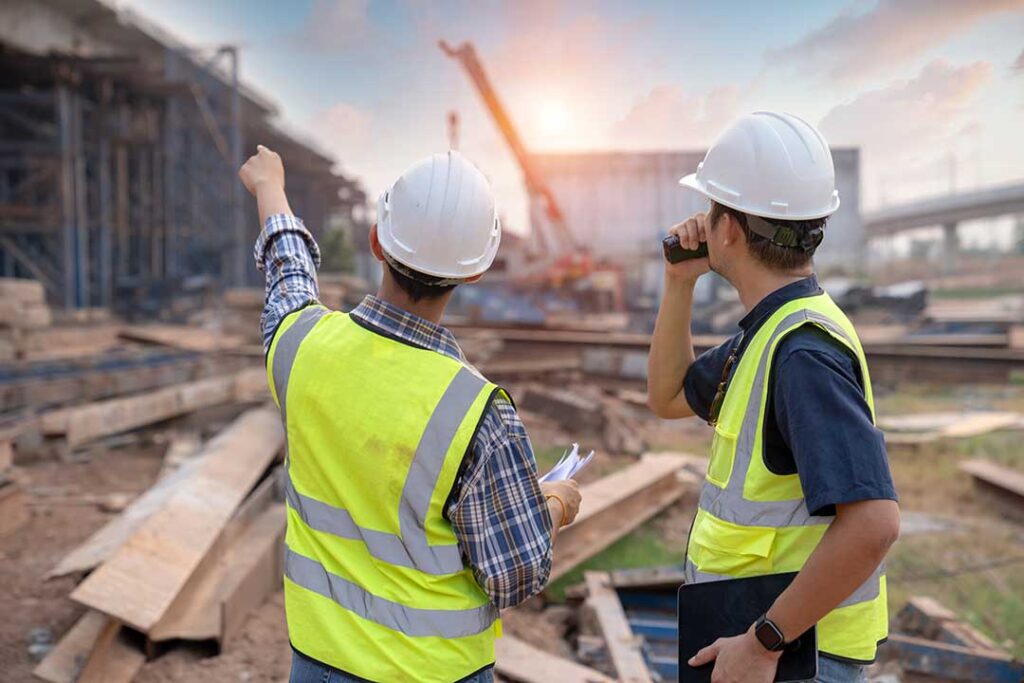
Design-build is a unified approach to construction where a single entity is responsible for both designing and building a project. Unlike the traditional “design-bid-build” process, where design and construction are handled by separate parties, design-build streamlines communication and accountability. In Indianapolis, this approach is often used for new commercial buildings, renovations, additions to local warehouses, retail spaces, and offices.
Why Do Some Projects in Indianapolis, IN Use Design-Build?
Many Indianapolis property owners and developers choose design-build to save time, coordinate details more easily, and maintain clearer budget control.
- Faster timelines: Since design and construction can overlap, project delivery is typically quicker.
- Single point of responsibility: There’s one team (instead of two or more) accountable for both plans and execution, which minimizes miscommunications.
- Simplified coordination: Local weather factors, such as freeze-thaw cycles and spring rains, can be addressed more efficiently when one group oversees the entire process.
This collaboration can be especially useful given the city’s varied building code requirements and variable Midwest climate.
How Does the Design-Build Process Work?
The design-build method typically starts with a single contract between the project owner and the design-builder. Here’s how a typical sequence might look for an Indianapolis commercial construction project:
1. Initial Consultation: The owner explains functional needs, budgeting limits, and any site-specific considerations—like stormwater management, which is often crucial in this region due to heavy rains and relatively flat topography.
2. Design Phase: The design-builder develops plans and schedules. Since many Indianapolis sites are already developed, this often includes creative solutions for limited lot sizes or older utility infrastructure.
3. Construction Phase: Work begins as soon as plans are ready and permits are approved—sometimes before every design detail is finalized, allowing for adjustments along the way.
4. Project Delivery: The finished building is turned over, often more quickly than with other project methods.
Throughout, the owner typically remains involved, reviewing major decisions and approving updated costs or design changes.
What Makes Design-Build Different from Other Methods?
The main difference is that there’s one contract and one team, rather than separate contracts for architects/designers and builders. In the traditional approach, the process usually follows three steps: design, bidding, and then construction—often resulting in gaps in responsibility when issues arise.
Design-build condenses these steps and can address many local factors, like:
- Flood resistance: Indiana's sudden summer storms mean water drainage and site engineering are crucial. Miscommunication between designer and contractor can easily undermine flood planning, but unified oversight can prevent these issues.
- Regulatory compliance: Commercial projects in Indianapolis must comply with local codes and permitting processes, which can shift year to year. Design-build teams are often equipped to adjust rapidly, avoiding delays.
What Types of Local Projects Are Well-Suited for Design-Build?
In Indianapolis, design-build is common in:
- Office renovations in midtown areas where space is limited and continuity for tenants is critical
- Adaptive reuse of former industrial or warehouse buildings, which often require inventive solutions for outdated infrastructure
- Healthcare, municipal, and educational facilities, where strict regulatory and accessibility standards must be integrated from the start
For highly complex or highly customized projects, some owners may still prefer the separation of roles offered by traditional methods.
Are There Drawbacks or Misconceptions About Design-Build?
While design-build offers many advantages, it’s not always the perfect fit for every situation.
Some misconceptions:
- It’s always cheaper: While faster timelines can reduce some costs, design-build is not automatically less expensive—especially if project scope changes significantly after work begins.
- Owners have no say: Local property owners remain key decision-makers; frequent communication is still essential.
- All firms offer similar expertise: The level of experience with Indianapolis permitting, historical guidelines, or local subcontractors can vary widely; diligence in selection can make a significant difference.
Potential drawbacks:
- Limited checks and balances: With one team controlling the process, there’s less external review—meaning trust in the design-builder's integrity and skill is crucial.
- Less competitive bidding: Traditional bid processes may yield more competitive construction pricing, especially on very large or complex projects.
What Local Factors Influence the Success of Design-Build Projects?
Indianapolis building owners should consider:
- Soil conditions and groundwater: Flood-prone areas, especially near waterways, require distinct design solutions.
- Snow loads and temperature swings: Building envelopes and roofing must be designed with extreme winters and humid summers in mind.
- Historic preservation regulations: Many central Indy neighborhoods have specific rules for exterior changes, affecting both design and construction phases.
Early knowledge of these factors—often communicated between design and construction teams—can prevent delays or costly modifications later on.
How Can Owners Stay Informed and Involved?
Owners can improve outcomes by:
- Setting clear expectations up front regarding schedules, budgets, and desired building performance
- Requesting frequent project updates, whether the project is for a small storefront or a multi-tenant commercial renovation
- Familiarizing themselves with local permitting timelines (which may be slower during busy construction seasons)
Transparency and alignment between the design-builder and the owner are essential for success—no matter the size or location of the project within Indianapolis.